

The Essential Guide to First Aid Kits for Pets: What Every Pet Owner Needs to Know
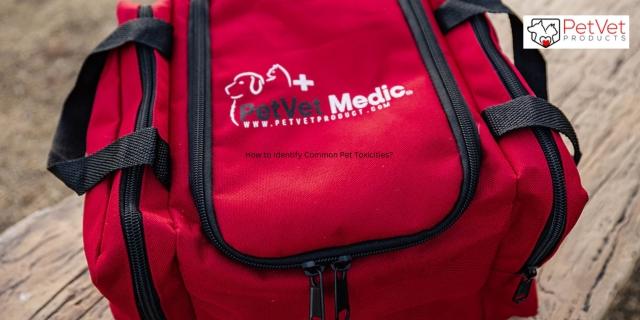
As a responsible pet owner, ensuring the health and safety of your furry companion should always be a top priority. Just as humans require first aid in emergencies, pets also need immediate care in case of injuries or health issues. A well-stocked first aid kit pet can be a lifesaver in critical situations. Whether at home, traveling, or enjoying outdoor adventures with your pet, having the right first aid supplies readily available can make all the difference.
In this guide, we will explore the essential components of a first aid kit for pets, how to use them effectively, and what every pet owner should know about emergency treatment. Additionally, we'll cover how to treat pet injuries at home, how to identify common pet toxicities, and even how to perform CPR on a dog or cat.
Why Every Pet Owner Needs a First Aid Kit
Emergencies can happen at any time, and being prepared can be the key to saving your pet's life. Having a first aid kit pet ensures you can address minor injuries immediately and stabilize your pet before seeking veterinary care. Whether dealing with cuts, burns, or allergic reactions, having the right supplies on hand can significantly improve outcomes.
Additionally, pet first aid kits are not just for home use; they are invaluable for travel and outdoor activities. If you enjoy hiking or camping with your pet, carrying a pet first aid kit can prevent small issues from turning into major emergencies.
Essential Components of a First Aid Kit for Pets
A well-equipped first aid kit for pets should include the following items:
Basic Medical Supplies
- Gauze pads and bandages – For covering wounds and stopping bleeding.
- Adhesive tape (non-stick for fur) – To secure dressings.
- Antiseptic wipes and solution – To clean wounds and prevent infection.
- Cotton balls and swabs – For gentle cleaning.
- Tweezers and scissors – To remove splinters, debris, or trim bandages.
- Digital thermometer – To monitor your pet's temperature.
- Syringes (without needles) – For administering oral medications or flushing wounds.
Medications and Ointments
- Hydrogen peroxide (3%) – Can be used to induce vomiting (only under veterinary guidance).
- Antibiotic ointment – To prevent infection in minor wounds.
- Sterile saline solution – For flushing eyes and wounds.
- Antihistamines (e.g., Benadryl) – Useful for allergic reactions (vet-approved dosage required).
- Activated charcoal – Helps absorb toxins in certain poisoning cases.
Emergency Tools
- Muzzle or soft cloth – Injured pets may bite due to pain or fear.
- Tick remover tool – Essential for outdoor pets.
- Gloves (disposable and sterile) – To maintain hygiene.
- Pet-safe ice pack – Useful for swelling or heat-related issues.
Identification and Documentation
- Emergency contact list – Including your veterinarian, a 24-hour emergency pet clinic, and poison control.
- Medical records and vaccination history – To provide crucial information during emergencies.
- Leash and collar with ID tags – Ensuring your pet remains safe if they escape.
How to Treat Pet Injuries at Home
Understanding how to provide immediate first aid can save your pet's life. Here are some common pet injuries and how to handle them:
1. Cuts and Scrapes
- Clean the wound with an antiseptic solution.
- Apply antibiotic ointment and cover with a bandage.
- Monitor for signs of infection (redness, swelling, discharge).
2. Burns
- Cool the area with cold water or a wet cloth.
- Apply a pet-safe burn ointment.
- Avoid using human creams that may be toxic to pets.
3. Broken Bones or Sprains
- Minimize movement and keep your pet as still as possible.
- Use a makeshift splint if necessary.
- Seek veterinary care immediately.
How to Identify Common Pet Toxicities
Pets are curious creatures and may ingest harmful substances. Here's how to recognize and handle toxic exposures:
1. Poisonous Foods
- Chocolate, grapes, onions, garlic, and xylitol (found in sugar-free gum) are toxic.
- Symptoms: Vomiting, diarrhea, lethargy, tremors.
- Treatment: Contact your vet or poison control immediately.
2. Household Chemicals
- Cleaning products, antifreeze, and rodenticides can be deadly.
- Symptoms: Drooling, seizures, difficulty breathing.
- Treatment: Do not induce vomiting unless directed by a vet.
How to Handle Choking Pets
If your pet is choking, immediate intervention is critical:
- Stay calm and restrain your pet gently.
- Open the mouth and try to remove any visible obstruction with tweezers.
- If unsuccessful, perform the Heimlich maneuver for pets:
- For small pets: Place them on your lap, apply firm pressure just below the ribcage.
- For large pets: Stand behind them and apply inward, upward thrusts.
- Seek veterinary care even if the object is removed.
How to Perform CPR on a Dog or Cat
If your pet is unconscious and not breathing, follow these steps:
- Check for breathing and heartbeat
- Lay your pet on their right side.
- Place your hand over the chest, just behind the elbow.
- Perform Chest Compressions
- For small pets, use one hand; for large dogs, use both hands.
- Compress the chest about 1/3 of its width.
- Perform 100-120 compressions per minute.
- Rescue Breaths
- Close the pet's mouth and extend the neck.
- Breathe directly into the nose every 30 compressions.
- Continue until the pet breathes or veterinary help arrives.
Where to Find Pet First Aid Kits for Sale
A first aid kit pet online is readily available from reputable pet supply stores and veterinary websites. Many retailers offer pre-assembled pet first aid kits for sale, making it convenient for owners to purchase a complete set. If you prefer customization, you can also buy individual pet first aid supplies to build a tailored kit.
Conclusion
A first aid kit for pets is an essential investment in your pet's safety and well-being. Whether dealing with minor injuries, poisoning, or life-threatening emergencies, being prepared can make all the difference. Understanding how to treat pet injuries at home, how to handle choking pets, and how to perform CPR on a dog or cat can empower pet owners to act swiftly in crises.
By keeping a well-stocked first aid kit pet on hand, you can provide immediate care while awaiting professional veterinary treatment. Take the time to review and update your pet first aid supplies regularly to ensure you're always ready for the unexpected. Your furry friend's health and safety depend on it!